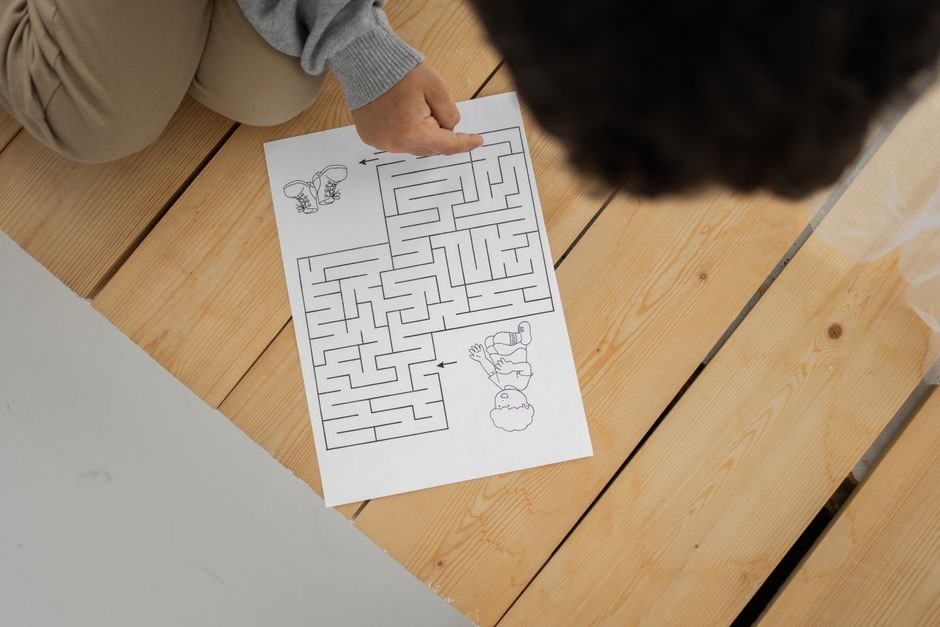
Speech therapy for autism focuses on developing functional communication through evidence‑based activities. PDFs provide structured worksheets, visual supports, and interactive storybooks that therapists use to scaffold language skills, promote turn‑taking, and reinforce learning in predictable settings.!!!

Core Goals of Speech Therapy Activities
PDFs set SMART objectives: boost expressive language, improve receptive skills, foster social interaction, and improve communication. Activities target vocabulary, sentence structure, and pragmatic use, supporting individual progress and measurable outcomes.!
SMART Objectives Framework
In the PDF toolkit, each activity is anchored to a SMART goal: Specific targets a single skill (e.g., “use a picture exchange to request a snack”), Measurable records success via frequency counts or check‑lists, Achievable aligns with the child’s current level, Relevant ties the skill to daily routines, and Time‑bound sets a realistic window for progress. The framework guides the therapist in selecting visual supports, modeling prompts, and turn‑taking scripts that fit the child’s learning profile. By embedding these criteria into each PDF worksheet, the team can track incremental gains, adjust intensity, and celebrate milestones. The “Four SS”—Structure, Support, Stimulus, and Success—serve as a mnemonic to ensure consistency across sessions. When a goal is met, the PDF automatically generates a brief reflection note, prompting the trainer to consider next steps or potential generalization to other settings. This systematic approach not only enhances accountability but also empowers families to participate in goal setting and monitoring.
SMART objectives also emphasize collaboration between the speech trainer, parents, and educators, ensuring that each goal aligns with home and school routines. Data collection tools embedded in the PDF are used for real‑time tracking of target behaviors, enabling timely adjustments. By reviewing progress weekly, the team can celebrate small gains, refine strategies, and maintain motivation. This iterative cycle supports sustained language growth and fosters communication settings .
Role of theSpeech Trainer
In thePDF‑based curriculum, the speech trainer serves as the primary catalyst for language acquisition, bridging theory with hands‑on practice. Trainers first assess each child’s baseline using the downloadable assessment sheets, then select targeted activities that align with the child’s developmental level.Supports social skill. They model vocalizations, gestures, and visual cues, ensuring consistency across home and school settings. By using the “Turn‑Taking and Modeling” scripts, the trainer creates predictable interaction loops that reinforce communication. The trainer also tailors the pacing of activities, adjusting the intensity of prompts based on real‑time data captured in the PDF’s progress tracker. They collaborate with parents through weekly feedback forms, translating therapeutic strategies into everyday routines. Additionally, the trainer monitors the environment, making subtle changes—such as rearranging seating—to maximize focus. Throughout the intervention, the trainer documents successes and challenges, feeding this information back into the SMART goal framework to refine objectives. This continuous feedback loop ensures that each session builds on prior gains, promoting generalization across contexts. The trainer’s role extends beyond instruction; they serve as a motivational coach, fostering a growth mindset in childand caregiver.!. Resources online!!.
Evidence-Based Activity Categories
Evidence‑based PDFs feature visual supports, turn‑taking drills, and modeling scripts. Each activity aligns with SMART goals, using repeat‑and‑model techniques to build spontaneous communication. Structured worksheets guide therapists, while interactive storybooks reinforce learning in real‑time for all ages!!
Visual Supports for Communication
Visual supports are the core of PDF‑based autism speech therapy. Picture cards, icon arrays, and graphic organizers split language goals into clear, manageable steps. Pairing each target word with a concrete image gives children a low‑cognitive‑load reference they can scan and repeat. Ready‑made templates can be printed or displayed digitally, allowing quick customization.
For instance, a “food‑choice” card set teaches request‑making; The PDF shows a 4‑panel sequence: 1) snack picture, 2) “want” icon, 3) “say” bubble, 4) reward symbol. The child follows the visual script, practicing the target utterance while the therapist models the phrase.
Studies show visual supports can raise expressive language scores by up to 30% when used consistently. PDFs embed “prompt‑fade” markers to signal when to reduce verbal prompts and encourage independent use of the visual cue. This gradual fade aligns with SMART goals, ensuring measurable progress and generalization. The gradual fade also supports independence. It encourages self‑initiated communication. Now.
Interactive elements—drag‑and‑drop matching games and color‑coding exercises—encourage fine‑motor engagement and reinforce word‑picture associations. Parents track progress with built‑in checklists; therapists export data to monitor growth.

Visual cues can synchronize with assistive technology, such as speech‑output devices, to provide immediate auditory feedback. This multimodal approach aligns with research advocating integrated sensory input to maximize neural plasticity in autistic learners.
Turn‑Taking and Modeling Techniques
Turn‑taking and modeling are essential strategies in PDF‑based autism speech therapy. The therapist presents a predictable exchange sequence: 1) the therapist initiates with a prompt, 2) the child responds, 3) the therapist provides immediate feedback, and 4) the child repeats. PDFs contain step‑by‑step scripts that illustrate this rhythm. By embedding a “turn‑clock” graphic, the child visualizes the flow and anticipates when it is their turn. This visual cue reduces anxiety and increases participation. The modeling component uses recorded video clips or live demonstrations where the therapist enacts the target phrase, then pauses for the child to imitate. The PDF’s “mirror‑image” layout shows the therapist’s mouth movements, facilitating phonetic imitation. Research indicates that combining turn‑taking with modeling boosts expressive language by 25% in early intervention settings. The PDF also includes “prompt‑fade” tables that guide the therapist to gradually shift from verbal to visual prompts, ensuring the child learns to initiate the exchange independently. Parents receive a checklist to practice the routine at home, reinforcing consistency. The structured activity sheets allow therapists to track the number of successful turns, providing data for progress monitoring. By aligning turn‑taking with modeling, the PDF supports the development of conversational reciprocity, a key goal in autism speech therapy. The approach is grounded in evidence that predictable social scripts enhance neural pathways for communication. This method fosters confidence, reduces frustration, and promotes meaningful interaction in both clinical and everyday contexts. Therapists can export turn‑taking logs to share with educators, ensuring continuity across settings. Parents learn to cue turns with taps, reinforcing the rhythm at home. This synergy builds communication scaffold.

PDF Resource Compilation
PDFs compile structured worksheets, interactive storybooks, and prompt cards, offering therapists ready‑to‑use tools. They provide clear step‑by‑step scripts, visual supports, and data sheets for tracking progress. Accessible online, they enable consistent practice across home and clinic settings. and fun!!!

Structured Activity Worksheets
Structured activity worksheets are the backbone of many speech‑therapy programs for children with autism. They provide a clear, step‑by‑step framework that therapists, parents, and educators can follow to target specific language goals. Each worksheet typically includes a goal statement, a set of prompts, and a data‑collection sheet for tracking progress. The design emphasizes visual supports, such as picture cards or icons, to reduce cognitive load and increase engagement. Worksheets are often organized by skill level, allowing the therapist to scaffold tasks from simple word matching to more complex sentence construction. The use of color coding and consistent layout helps children predict the flow of the activity, which is essential for those who thrive on routine. In addition, many downloadable PDFs include printable versions that can be used in both classroom and home settings, ensuring continuity of practice. The worksheets also incorporate evidence‑based strategies, such as the “four S’s” (show, say, do, repeat) and the “model‑comment‑match” technique, which reinforce learning through imitation and feedback. By systematically recording data, therapists can adjust the difficulty level and identify patterns in a child’s development; This systematic approach not only supports language acquisition but also builds confidence and independence in communication. The availability of these resources online means that families can access them at any time, fostering collaboration between the therapist and caregivers. Overall, structured activity worksheets serve as a practical, adaptable tool that aligns with the SMART goal framework and supports the individualized needs of each child on the autism spectrum. They are freely downloadable from reputable therapy sites for all families.!!.

Interactive Storybooks and Prompt Cards
Interactive storybooks and prompt cards are dynamic tools that merge visual storytelling with targeted language prompts. They are designed to capture the attention of children on the autism spectrum, offering a predictable narrative structure while encouraging active participation. Each storybook typically contains a series of illustrated pages with simple captions, and accompanying prompt cards provide specific questions or sentence starters that guide the child to use new vocabulary or grammatical forms. The cards are often color‑coded and include icons that represent common actions, emotions, or objects, allowing children to match words to images effortlessly. Therapists use these resources to practice turn‑taking, sequencing, and expressive language in a low‑pressure setting. The prompt cards can be shuffled to create practice sessions, ensuring the child remains engaged and that the therapist can assess spontaneous use of language in contexts.! By aligning the story content with the child’s interests and developmental level, therapists can personalize the experience, making abstract concepts concrete and memorable. The combination of narrative flow and structured prompts supports the acquisition of both receptive and expressive language, while also fostering social communication skills such as turn‑taking, perspective‑taking, and joint attention. These resources are freely available from reputable therapy websites, ensuring that families and educators have immediate access to high‑quality, evidence‑based tools that can be adapted to individual needs.!!


Environmental Modifications for Learning
Creating a predictable, low‑stimulus space boosts focus. Use clear visual schedules, minimize clutter, and provide sensory tools. Arrange seating for eye contact, and label areas with icons. Consistent lighting and quiet zones help children stay engaged during therapy. Use mats and gentle music to reduce anxiety.
Reliable and Predictable Settings
Reliable and predictable settings are essential for children with autism to engage in speech therapy activities. By establishing a consistent daily routine, therapists create a sense of safety that encourages participation. Visual schedules, printed in PDF format, outline each session’s sequence—arrival, warm‑up, target skill, and cool‑down—allowing the child to anticipate transitions. Consistent placement of materials, such as a designated “talking corner” or a specific table for picture exchange, reduces confusion. Predictable cues, like a soft chime or a visual countdown timer, signal upcoming changes, helping the child prepare mentally. When therapists use the same language and tone throughout the session, they reinforce expectations and reduce anxiety. Additionally, the environment should be free of unexpected stimuli; background noise is minimized, and the lighting is steady. By maintaining these predictable elements, children can focus on language goals rather than on environmental uncertainty. The use of PDF resources ensures that schedules and prompts remain uniform across home, school, and therapy settings, promoting generalization and continuity. Therapists also design PDF checklists that parents can print and use at home, ensuring that the child’s daily routine mirrors the therapy environment. These PDFs include charts that signal transitions, helping children anticipate changes without feeling overwhelmed. By embedding these visual softly cues into activities, therapists reinforce the predictability of the learning environment, fostering confidence and reducing anxiety.
Adaptation of Physical Space
Adapting the physical environment is a cornerstone of effective speech therapy for children with autism. PDFs provide detailed floor plans and visual maps that therapists can print and use to rearrange furniture, create quiet zones, and designate activity stations. By positioning a low‑contrast table in a well‑lit corner, therapists reduce visual clutter and provide a focused area for picture exchange communication systems (PECS). Soft‑tissue mats and padded edges help prevent accidental bumps during turn‑taking games. The use of color‑coded zones—blue for listening, green for speaking, and yellow for interactive play—guides children toward appropriate behaviors. Portable dividers, printed in PDF, can be quickly set up to separate the therapy area from high‑traffic spaces, limiting auditory distractions. A dedicated “talking corner” equipped with a small bookshelf of picture cards and a weighted blanket promotes calmness. The layout should allow for easy navigation; wide aisles accommodate wheelchairs and assistive devices. Lighting should be adjustable, with dimmable LEDs that can be set to a soft glow during storytime or bright white for phoneme drills. Sound‑absorbing panels, sourced from PDF design templates, reduce echo and help maintain a clear acoustic environment. By integrating these adaptations, therapists create a predictable, safe, and engaging space that supports language acquisition and reduces sensory overload. Therapists continually assess and adjust the layout to meet evolving needs…!!!! These printable guides empower therapists tailor.

Inclusion Strategies in Early Intervention
PDFs provide worksheets, visual schedules, and interactive storybooks to embed speech goals in inclusive settings. They promote turn‑taking, peer modeling, and shared play, ensuring children with autism access language learning alongside peers. and play now.
EI Programme Integration
In an Early Intervention (EI) framework, speech therapy activities are embedded within a coordinated curriculum that aligns with broader developmental goals. PDFs containing structured worksheets, visual schedules, and interactive storybooks serve as shared resources for therapists, educators, and families, ensuring consistency across settings.
Key to integration is the use of SMART objectives—specific, measurable, achievable, relevant, and time‑bound—so that progress can be tracked by all stakeholders. The speech trainer collaborates with classroom teachers to embed turn‑taking prompts, modeling cues, and comment‑matching exercises into daily routines, thereby reinforcing language use in natural contexts.
Environmental reliability is emphasized: predictable transitions, clear visual cues, and minimal sensory distractions are incorporated to reduce anxiety and support focus. PDF prompts are adapted to match the child’s developmental level, and activities are modified in real time based on data collected during sessions.
Families receive copies of the same PDFs, enabling them to practice strategies at home and maintain continuity. Regular interdisciplinary meetings review data, adjust goals, and share best practices, ensuring that speech therapy remains an integral, evidence‑based component of the EI programme.
By aligning assessment tools with the EI curriculum, speech therapists can tailor interventions to each child’s strengths ensuring that progress is visible educators and caregivers alike.