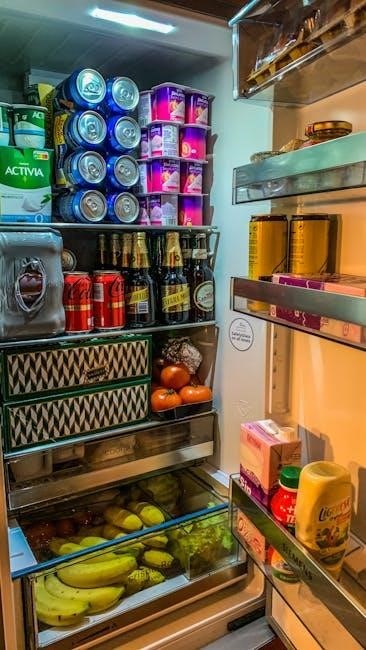
Kenmore 2-door refrigerators offer reliable cooling and storage, supported by comprehensive manuals for optimal use, maintenance, and troubleshooting assistance for owners․
Kenmore Brand Overview
Kenmore has long been a trusted name in home appliances, recognized for its commitment to durability, innovation, and customer satisfaction․ Originating as a house brand for Sears, Roebuck and Co․, Kenmore products consistently deliver dependable performance․ The brand’s refrigerators, including the popular 2-door models, are designed to meet the evolving needs of modern households;
Kenmore’s reputation is built on offering quality appliances at competitive prices, backed by robust warranties and readily available support resources․ Accessing the appropriate manual for your Kenmore 2-door refrigerator is crucial for understanding its features and ensuring its longevity․ These manuals provide essential guidance on installation, operation, and maintenance․
Popularity of 2-Door Models
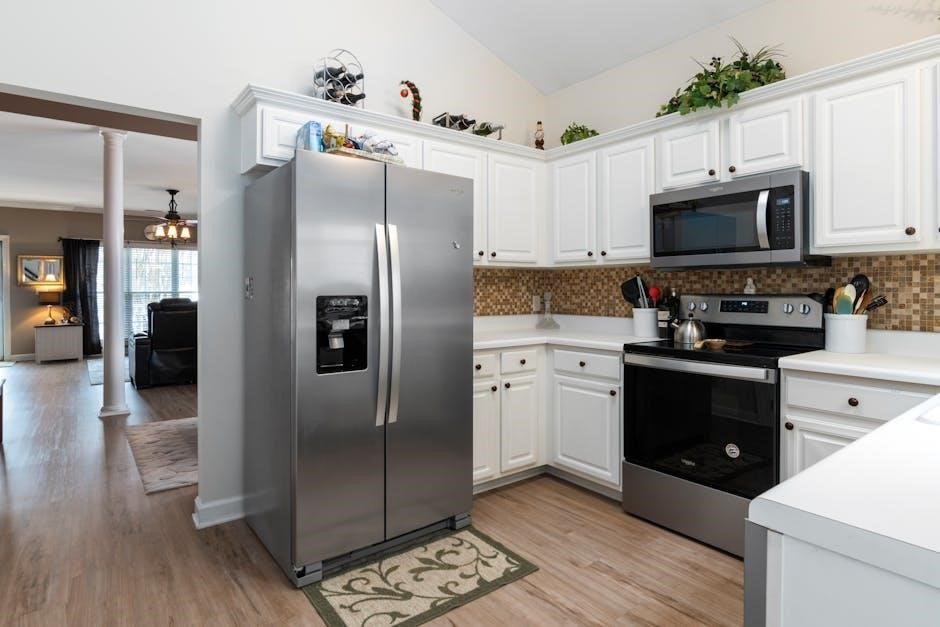
Kenmore 2-door refrigerators, often side-by-side or top/bottom freezer configurations, enjoy widespread popularity due to their efficient use of space and convenient accessibility․ These models cater to diverse kitchen layouts and family sizes, offering ample storage without requiring excessive floor space; The design facilitates organized food storage, with dedicated compartments for various items․
Consumers appreciate the ease of use and the availability of features like ice and water dispensers in many Kenmore 2-door refrigerators․ A comprehensive manual is vital for maximizing the benefits of these features and understanding proper maintenance procedures․ Properly utilizing the manual ensures optimal performance and extends the appliance’s lifespan․
Scope of this Manual
This manual provides detailed guidance for Kenmore 2-door refrigerator owners, covering installation, operation, maintenance, and troubleshooting․ It encompasses instructions for unpacking, proper placement, and connecting water lines (where applicable)․ Users will find clear explanations of all refrigerator components, including freezer and refrigerator compartments, and the control panel’s functions․
Furthermore, this guide details temperature control settings, ice and water dispenser usage, cleaning procedures, and solutions to common issues like cooling problems or dispenser malfunctions․ Information on door removal/reinstallation and defrosting is also included, ensuring comprehensive support for your Kenmore appliance․ Following this manual guarantees safe and efficient operation․

Safety Precautions
Kenmore 2-door refrigerator operation requires electrical safety, childproofing measures, and adequate ventilation to prevent hazards and ensure long-lasting performance․
Electrical Safety
Kenmore 2-door refrigerators operate on standard household electrical power․ Always ensure the appliance is properly grounded to prevent shock hazards․ Never use extension cords or adapters, as they can overheat and pose a fire risk․ If the power cord is damaged, it must be replaced by a qualified technician․
Before cleaning or performing maintenance, always unplug the refrigerator from the electrical outlet․ Avoid operating the appliance with wet hands or near water sources․ Do not attempt to repair electrical components yourself; contact a certified service professional for any electrical issues․ Regularly inspect the power cord for any signs of damage or wear․ Following these precautions will ensure safe operation and prevent potential electrical hazards․
Child Safety
Kenmore 2-door refrigerators require attention to child safety․ Remove doors when moving the refrigerator through narrow spaces, preventing accidental entrapment – a critical safety measure․ Supervise children around the appliance, especially during operation․ Do not allow children to play with or climb on the refrigerator․
The ice and water dispenser, if equipped, should be used with adult supervision; Ensure children understand the dangers of tampering with controls or accessing internal components․ Securely store any removed parts, like handles, out of children’s reach․ Prioritizing these precautions minimizes risks and ensures a safe environment for children around the refrigerator․
Proper Ventilation
Kenmore 2-door refrigerators necessitate adequate ventilation for efficient operation and longevity․ Maintain sufficient space around the appliance – typically several inches on the sides and top, and at least an inch at the rear – to allow for proper airflow․ Restricted ventilation can lead to overheating, reduced cooling performance, and increased energy consumption․
Avoid blocking the vents with items like curtains, furniture, or boxes․ Ensure the surrounding area remains clear to facilitate air circulation․ Regularly inspect the ventilation pathways for obstructions and address them promptly․ Proper ventilation contributes to optimal refrigerator performance and prevents potential damage․

Installation Guide
Kenmore 2-door refrigerator installation involves unpacking, careful location selection, and, if applicable, connecting a water line following the manual’s instructions․
Unpacking and Inspection
Upon delivery of your Kenmore 2-door refrigerator, carefully unpack it, retaining all packaging materials until you’ve confirmed complete functionality․ Thoroughly inspect the appliance for any shipping damage – dents, scratches, or broken components․
Compare the delivered unit against your purchase order and the manual’s included parts list․ Note any discrepancies immediately․ Check for loose interior parts or accessories․
If damage is evident, document it with photographs and contact the retailer or Kenmore customer support before proceeding with installation․ Proper inspection now prevents potential issues later, ensuring a smooth and satisfactory experience with your new refrigerator․
Location Requirements
Selecting the correct location for your Kenmore 2-door refrigerator is crucial for optimal performance․ Choose a spot with a level floor, capable of supporting the refrigerator’s weight when fully loaded․ Ensure adequate space around the unit – at least 1 inch on the sides and top, and 2 inches at the rear – for proper ventilation․
Avoid placing the refrigerator near heat sources like stoves, radiators, or direct sunlight, as this impacts cooling efficiency․
The location should also provide easy access to a grounded electrical outlet․ If a water line connection is needed for the ice maker or dispenser, proximity to a water supply is essential․ Refer to the manual for specific dimensional requirements․
Connecting Water Line (if applicable)
Connecting a water line to your Kenmore 2-door refrigerator enables ice maker and water dispenser functionality․ First, shut off the main water supply․ Locate the water inlet valve on the refrigerator – typically at the rear, lower section․ Use a copper or PEX tubing kit specifically designed for refrigerator connections․
Carefully connect the tubing to both the water supply and the inlet valve, ensuring a tight, leak-proof seal․ Following the manual’s instructions, slowly turn the water supply back on and check for leaks․ Secure the tubing to prevent kinks or damage․
Flush the system by dispensing several gallons of water to remove air and impurities․
Understanding Refrigerator Components
Kenmore 2-door refrigerators feature distinct freezer and refrigerator compartments, alongside intuitive control panels for managing temperature and accessing features easily․
Freezer Compartment Features
The freezer compartment in your Kenmore 2-door refrigerator is designed for efficient and long-term food preservation․ Many models include adjustable shelves and door bins, maximizing storage flexibility for various frozen items․ Some advanced units boast a fast-freeze function, rapidly lowering the temperature to lock in freshness for newly added foods․
Depending on the specific model, you may also find features like a dedicated ice maker section, ensuring a constant supply of ice․ Proper organization within the freezer is crucial; utilize airtight containers to prevent freezer burn and maintain food quality․ Regularly check and remove any accumulated frost to optimize performance and energy efficiency; Refer to your specific model’s manual for detailed instructions on utilizing these features effectively․
Refrigerator Compartment Features
The refrigerator compartment of your Kenmore 2-door model is engineered for optimal food freshness and organization․ Expect adjustable spill-proof glass shelves, allowing customization for items of varying heights․ Many models feature humidity-controlled crisper drawers, extending the life of fruits and vegetables․ Door bins provide convenient storage for frequently used items like condiments and beverages․
Some units include features like a deli drawer, ideal for cheeses and meats, and advanced air filtration systems to minimize odors․ Proper airflow is essential; avoid overpacking shelves to ensure consistent cooling․ Refer to your model’s manual for specific details on utilizing these features and maximizing food preservation capabilities within the refrigerator compartment․
Control Panel Overview
The Kenmore 2-door refrigerator’s control panel manages temperature settings for both the freezer and refrigerator compartments․ Typically, digital displays show current temperatures, and buttons allow for adjustments․ Some models feature express cooling or freezing options for rapid temperature reduction․ A power cool/freeze function quickly lowers temperatures when a large amount of new food is added․
The control panel may also activate features like the ice maker and water dispenser, if equipped․ Indicator lights signal when the water filter needs replacement or if an alarm condition exists․ Consult your specific model’s manual for detailed explanations of each button and display function, ensuring optimal control and performance․
Operating Instructions
Kenmore 2-door refrigerators are easily operated by adjusting temperature controls, utilizing the ice maker, and accessing the water dispenser, as detailed in the manual․
Temperature Control Settings
Kenmore 2-door refrigerator temperature settings are crucial for food preservation․ The control panel allows precise adjustments for both the freezer and refrigerator compartments․ Generally, recommended refrigerator temperatures range between 37°F (3°C) and 40°F (4°C), while the freezer should be maintained at 0°F (-18°C)․
Refer to your specific model’s manual for detailed instructions on navigating the control panel․ Some models feature digital displays with precise temperature readouts, while others utilize numbered dials․ Initial settings may require adjustment based on ambient room temperature and food storage volume․ Regularly monitor temperatures to ensure optimal performance and prevent spoilage․ Avoid drastic temperature changes, as this can affect food quality․
Using Ice Maker (if equipped)
Kenmore 2-door refrigerators with ice makers offer convenient chilled refreshment․ Initially, allow 24 hours for the ice maker to begin producing ice after installation and water line connection․ Ensure the ice maker is switched “on” via the control panel or a dedicated switch within the freezer compartment․
The ice maker automatically shuts off when the ice bin is full․ Some models offer options for crushed or cubed ice․ Regularly empty the ice bin to prevent ice from melting and refreezing․ If ice production is slow or stops, check the water supply line for kinks or freezing․ Consult your model’s manual for specific troubleshooting steps and cleaning instructions․
Using Water Dispenser (if equipped)
Kenmore 2-door refrigerators featuring a water dispenser provide filtered water on demand․ Before first use, dispense water for several minutes to flush the system and remove any air or impurities from the water line․ Use a clean glass to collect the dispensed water․ The dispenser typically activates by pressing a lever or button on the refrigerator door․
Some models offer settings for chilled or room temperature water․ Regularly check for leaks around the dispenser and water line connections․ If the water flow is weak or stops, verify the water supply is turned on and the water filter is not clogged․ Refer to your specific model’s manual for filter replacement instructions and further troubleshooting․

Regular Maintenance
Consistent cleaning of interior and exterior surfaces, alongside timely water filter replacements (if applicable), ensures optimal performance and longevity of your Kenmore refrigerator․
Cleaning Interior Surfaces
To maintain a hygienic and efficient Kenmore 2-door refrigerator, regular interior cleaning is crucial․ Begin by disconnecting the appliance from the power source․ Remove all food items, shelves, and drawers․ Wash these removable parts with warm, soapy water, then rinse and dry thoroughly before replacing them․
For the interior walls and surfaces, use a mild detergent solution and a soft cloth․ Avoid abrasive cleaners, as they can damage the surfaces․ Pay close attention to spills and stains, cleaning them promptly to prevent odors and buildup․ Rinse the surfaces with clean water and dry with a clean cloth․ A baking soda solution can also be used to neutralize odors․ Ensure all parts are completely dry before restoring power and food items․
Cleaning Exterior Surfaces
Maintaining the exterior of your Kenmore 2-door refrigerator enhances its appearance and protects the finish․ Begin by wiping down the doors and sides with a damp, soft cloth and a mild detergent solution․ Avoid abrasive cleaners, which can scratch or dull the surface․ For stainless steel models, use a stainless steel cleaner specifically designed for appliances, following the manufacturer’s instructions․
Pay attention to the door handles, as they accumulate fingerprints and smudges․ Clean them regularly with a damp cloth․ Rinse the exterior surfaces with clean water and dry thoroughly with a soft, clean cloth․ Avoid spraying water directly onto the control panel; instead, dampen a cloth and gently wipe it clean․ Regular exterior cleaning keeps your refrigerator looking its best․
Replacing Water Filter (if applicable)
Maintaining a fresh water filter in your Kenmore 2-door refrigerator ensures clean, great-tasting water and ice․ Locate the water filter, typically inside the refrigerator compartment or behind the base grille․ Gently twist or push the old filter to release it, noting the release mechanism for reinstallation․ Before installing the new filter, briefly run water through it to remove any air or loose particles․
Align the new filter with the housing and twist or push it into place until it locks securely․ Reset the filter indicator on the control panel, following the manual’s instructions; Replace the filter every six months, or as indicated by the filter replacement indicator, to maintain optimal water quality and appliance performance․
Troubleshooting Common Issues
Kenmore 2-door refrigerator manuals provide guidance for resolving issues like cooling problems, ice maker malfunctions, and water dispenser failures efficiently․
Refrigerator Not Cooling
If your Kenmore 2-door refrigerator isn’t cooling, consult the manual first․ Check the temperature control settings to ensure they are appropriately adjusted; a simple adjustment might resolve the issue․ Verify the condenser coils are clean, as dust buildup restricts airflow․ Ensure the door seals are intact, preventing warm air from entering․
The manual will guide you through checking the compressor and fan motor for proper operation․ A tripped circuit breaker or a faulty start relay could also be the cause․ If these steps don’t work, the manual advises contacting a qualified technician for further diagnosis and repair, as refrigerant issues require professional attention․
Ice Maker Not Working
When your Kenmore 2-door refrigerator’s ice maker malfunctions, the manual suggests several checks․ First, confirm the ice maker is turned “on” within the refrigerator’s control panel․ Verify the water supply line is properly connected and the water supply valve is fully open․ A frozen water line can also prevent ice production; consult the manual for defrosting instructions․
The manual details how to check the ice maker’s fill cycle and ejector arm for obstructions․ If the issue persists, a faulty ice maker module might be the cause, requiring professional repair․ Always refer to the manual for specific troubleshooting steps related to your model․
Water Dispenser Not Working
If your Kenmore 2-door refrigerator’s water dispenser isn’t functioning, the manual advises checking the water supply first․ Ensure the water line is securely connected and the shut-off valve is completely open․ A clogged water filter is a common culprit; the manual provides instructions for locating and replacing it․ Frozen water lines can also restrict water flow, requiring defrosting as outlined in the manual․
Inspect the dispenser nozzle for ice blockages․ If problems continue, the manual suggests checking the dispenser’s solenoid valve for proper operation, potentially needing professional attention․ Always consult your model’s manual for specific diagnostic steps․

Door Removal and Reinstallation
The Kenmore 2-door refrigerator manual details door removal for transport, including handle and hinge instructions, ensuring safe relocation and reattachment procedures․
Removing Doors for Transport
When relocating your Kenmore 2-door refrigerator through narrow spaces, the manual strongly recommends door removal to prevent damage․ Begin by disconnecting power․ Carefully detach the handles, following the specific instructions outlined in your model’s manual, as procedures vary․
Next, disconnect any wiring connected to the doors․ Unscrew the upper hinge, supporting the door’s weight during removal․ Repeat this process for the lower door․ Note the position of any screws or components for easy reinstallation․ Always handle doors with care to avoid scratches or dents․ Proper door removal facilitates safe and efficient transport of your appliance․
Reattaching Doors
After transport, reattaching the doors requires careful attention․ Begin by aligning the lower door with its hinge, securing it with the screws previously removed․ Support the door’s weight while fastening․ Next, position the upper door, ensuring proper alignment with the upper hinge․
Reconnect any wiring that was disconnected during removal․ Reinstall the handles, referencing the manual for the correct orientation and fastening method․ Verify that the doors close smoothly and create a proper seal․ Adjust hinges if necessary to achieve optimal alignment and functionality․ A correctly reattached door ensures efficient refrigerator operation․
Handle Removal and Installation
To remove handles, locate the screws securing them to the door – typically found on the interior side․ Carefully unscrew and retain these screws for reinstallation․ Gently pull the handle away from the door․ When reinstalling, align the handle with the mounting holes and reattach using the retained screws․
Ensure the screws are tightened securely, but avoid over-tightening, which could damage the door or handle․ Refer to your Kenmore refrigerator’s manual for specific instructions and diagrams related to your model․ Proper handle installation ensures a secure grip and aesthetic appeal․

Defrosting Procedures
Kenmore 2-door refrigerators may require manual defrosting; unplug the unit and allow frost to melt, or utilize auto-defrost features if equipped․
Manual Defrosting (if applicable)
If your Kenmore 2-door refrigerator requires manual defrosting, begin by disconnecting the appliance from the power source to ensure safety․ Remove all food items from both the freezer and refrigerator compartments, storing them in a cool place․ Place towels or pans inside the freezer to collect melting frost and water․
Leave the freezer door open, allowing the frost to naturally melt – this process can take several hours․ Never use sharp objects like knives or screwdrivers to chip away at the ice, as this can damage the freezer walls․ Once the defrosting is complete, thoroughly clean and dry the interior before reconnecting the refrigerator to power and returning the food items․
Frost Build-up Prevention
To minimize frost accumulation in your Kenmore 2-door refrigerator, ensure the doors are sealing properly; check the gaskets for damage or debris․ Avoid frequently opening the freezer door, and when you do, close it promptly․ Properly wrap food items to prevent moisture release, and avoid storing excessively warm or moist foods directly into the freezer․
Regularly defrost the freezer, even if it’s a frost-free model, as occasional build-up can still occur․ Ensure adequate air circulation around the refrigerator, avoiding overcrowding․ Following these practices will help maintain optimal performance and reduce the need for manual defrosting․
Energy Saving Tips
Optimize cooling by setting appropriate temperatures, storing food correctly, and maintaining clean, tight door seals for your Kenmore refrigerator․
Optimal Temperature Settings
Achieving optimal temperatures within your Kenmore 2-door refrigerator is crucial for food preservation and energy efficiency․ Generally, the refrigerator compartment should be maintained between 37°F (3°C) and 40°F (4°C)․ The freezer compartment should consistently remain at 0°F (-18°C)․
Refer to your specific model’s manual for precise temperature adjustment instructions, as control panels vary․ Avoid overcrowding the refrigerator, as this restricts airflow and can lead to inconsistent temperatures․ Regularly check temperatures with a thermometer to ensure settings are accurate․ Adjust settings seasonally; warmer months may require slightly cooler settings, while colder months may allow for adjustments towards warmer temperatures to conserve energy․
Proper Food Storage
Effective food storage within your Kenmore 2-door refrigerator maximizes freshness and minimizes waste․ Store meats and poultry on the lowest shelf to prevent cross-contamination․ Utilize crisper drawers for fruits and vegetables, adjusting humidity controls as needed․ Dairy products benefit from consistent, cooler temperatures on middle shelves․
Always store leftovers in airtight containers to prevent odor transfer and maintain moisture․ Avoid placing hot foods directly into the refrigerator; allow them to cool first․ Consult your manual for shelf placement recommendations specific to your model․ Proper organization and storage contribute to both food safety and refrigerator efficiency․
Door Seal Maintenance
Maintaining intact door seals on your Kenmore 2-door refrigerator is crucial for energy efficiency and consistent cooling․ Regularly inspect the seals for cracks, tears, or gaps․ Clean the seals with warm, soapy water to remove debris that can hinder a tight closure․ A compromised seal allows cold air to escape, forcing the refrigerator to work harder․
To test the seal, close the door on a piece of paper; if you can easily pull it out, the seal may need attention․ Refer to your manual for specific seal replacement instructions if damage is detected․ Proper seal maintenance saves energy and preserves food quality․