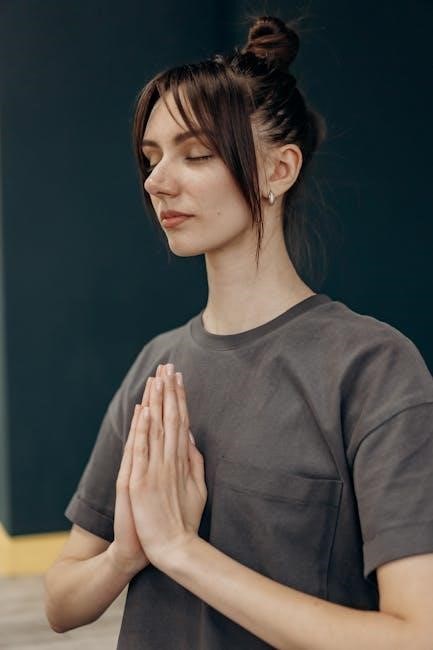
Mindfulness, a practice rooted in ancient traditions and validated by modern science, offers a pathway to presence, stepping away from autopilot and embracing the now․
What is Mindfulness?
Mindfulness is the basic human capacity to be fully present, aware of where we are and what we’re doing, and not overly reactive or overwhelmed by what’s happening․ It’s about intentionally focusing on the present moment – observing our thoughts, feelings, and sensations without judgment․
Often, we operate on “autopilot,” lost in thought about the past or worried about the future, missing the richness of the present․ Mindfulness invites us to interrupt this pattern, cultivating a sense of calm and clarity․ It’s a mental training, a way to shift our relationship with our experiences, moving from reactivity to responsiveness․ This practice isn’t about emptying the mind, but rather about acknowledging and accepting what arises, without getting carried away by it․
The History of Mindfulness
Mindfulness has deep roots in ancient Buddhist traditions, dating back over 2,500 years․ Core teachings emphasize cultivating awareness of the present moment as a path to liberation from suffering․ These practices were initially developed for monastic life, focusing on meditation and ethical conduct․
However, in recent decades, mindfulness has been secularized and integrated into Western psychology and healthcare․ Pioneers like Jon Kabat-Zinn adapted mindfulness techniques, creating Mindfulness-Based Stress Reduction (MBSR) in the 1970s․ This marked a turning point, bringing mindfulness to a wider audience as a tool for managing stress, pain, and improving overall wellbeing․ Today, mindfulness continues to evolve, with growing scientific validation and diverse applications․
Benefits of Practicing Mindfulness
Practicing mindfulness offers a wealth of benefits for both mental and physical health․ It’s a powerful antidote to the stresses of modern life, helping to reduce anxiety, worry, and frustration․ By cultivating present moment awareness, individuals can break free from habitual thought patterns and emotional reactivity․
Mindfulness enhances focus and concentration, improving cognitive function and productivity․ It also supports emotional regulation, enabling individuals to navigate difficult emotions with greater ease and resilience․ Furthermore, mindfulness can promote self-compassion, fostering a kinder and more accepting relationship with oneself, ultimately leading to increased wellbeing․
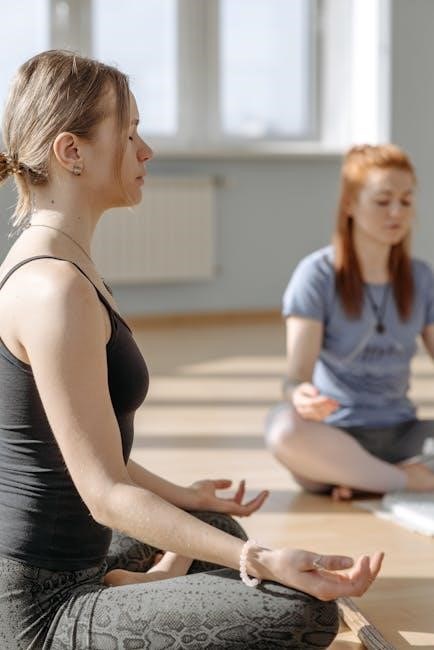
Core Principles of Mindfulness
Mindfulness centers around three key principles: present moment awareness, non-judgmental observation of thoughts and feelings, and radical acceptance of experiences as they are․
Present Moment Awareness
Present moment awareness is the cornerstone of mindfulness, inviting us to fully engage with our current experience without getting lost in thoughts of the past or anxieties about the future․ It’s about noticing what is happening right now – the sensations in your body, the sounds around you, the emotions arising within․
This isn’t about emptying your mind, but rather observing your thoughts and feelings without judgment, as if they were clouds passing by․ Practicing this allows you to disengage from “autopilot” mode, becoming consciously aware of each moment as it unfolds․ Cultivating this awareness helps break free from habitual patterns of worry and reactivity, fostering a sense of calm and groundedness in the present․
Non-Judgment
Non-judgment is a crucial element of mindfulness, encouraging us to observe our thoughts, feelings, and sensations without labeling them as “good” or “bad,” “right” or “wrong․” It’s about cultivating a stance of open curiosity, accepting experiences as they are, rather than getting caught up in evaluation․
This doesn’t mean we condone harmful actions, but rather that we refrain from self-criticism or harsh judgment of ourselves or others․ When a thought arises, simply acknowledge it without getting carried away by its content․ Practicing non-judgment allows us to create space between ourselves and our experiences, reducing reactivity and fostering self-compassion․
Acceptance
Acceptance in mindfulness isn’t about liking everything that happens; it’s about acknowledging the present moment reality without resistance․ It means recognizing that life inevitably includes discomfort, challenges, and difficult emotions․ Resisting these experiences only amplifies suffering․
Acceptance allows us to meet our experiences with openness and curiosity, creating space for skillful response rather than reactive struggle․ It’s a willingness to embrace the fullness of life, both the pleasant and the unpleasant․ Through acceptance, we can begin to cultivate inner peace and resilience, even amidst adversity․

Mindfulness Techniques for Beginners
Beginners can start with simple techniques like mindful breathing, body scan meditation, and guided meditation to cultivate present moment awareness and inner calm․
Mindful Breathing Exercises

Mindful breathing serves as a foundational practice, readily accessible to all․ Begin by finding a comfortable posture, whether seated or lying down․ Gently close your eyes, if that feels right, and bring your attention to the sensation of your breath․ Notice the rise and fall of your abdomen, or the subtle feeling of air entering and leaving your nostrils․
There’s no need to change your breath; simply observe it as it is․ As thoughts inevitably arise – and they will – acknowledge them without judgment, and gently redirect your focus back to your breath․ This isn’t about stopping thoughts, but rather about recognizing them and choosing where to place your attention․
Start with just five minutes a day, gradually increasing the duration as you become more comfortable․ Consistent practice cultivates a greater sense of calm and presence, anchoring you in the present moment․
Body Scan Meditation
Body scan meditation invites a gentle, non-judgmental awareness of physical sensations throughout the body․ Lie down comfortably and begin by focusing your attention on your toes․ Notice any sensations present – warmth, coolness, tingling, or perhaps nothing at all․
Slowly move your attention up through your feet, ankles, calves, and so on, systematically scanning each part of your body․ If you encounter discomfort or pain, simply observe it without trying to change it․ Acknowledge the sensation and breathe into it with kindness․
This practice cultivates a deeper connection to your physical self, promoting relaxation and reducing tension․ It’s a powerful tool for grounding yourself in the present moment and fostering self-awareness․
Guided Meditation
Guided meditation offers a supportive entry point into mindfulness, particularly beneficial for beginners․ These audio recordings lead you through visualizations, breathing exercises, and mindful reflections, providing a gentle structure for your practice․
Numerous apps and online resources offer a wide variety of guided meditations tailored to different needs, such as stress reduction, sleep improvement, or cultivating self-compassion․ Following a calming voice can help quiet the internal chatter and deepen your focus․
Allow yourself to be fully immersed in the experience, letting go of expectations and simply following the guidance․ It’s a wonderful way to cultivate present moment awareness and inner peace․

Integrating Mindfulness into Daily Life
Mindfulness isn’t confined to formal practice; infuse everyday activities – like eating, walking, or gardening – with present moment awareness for lasting calm․
Mindful Eating
Mindful eating transforms a routine necessity into an opportunity for presence and appreciation․ Instead of rushing through meals, or eating while distracted, bring your full attention to the experience․ Notice the colors, textures, and aromas of your food․ Pay attention to the first bite – savor the flavors as they unfold on your palate․
Chew thoroughly, and observe the sensations of fullness rising within you․ Disconnect from external distractions like screens or conversations, and simply be with your nourishment․ This practice cultivates a deeper connection to your body’s signals, promoting healthier eating habits and a greater sense of gratitude for the food that sustains you․ It’s about truly experiencing your meal, not just consuming it․
Mindful Walking
Mindful walking is a simple yet profound practice that brings awareness to the sensation of movement․ As you walk, shift your focus from your thoughts to the physical experience – the feeling of your feet making contact with the ground, the rhythm of your breath, and the gentle sway of your body․
Notice the sights, sounds, and smells around you without judgment, simply observing them as they arise and pass․ Feel the air on your skin and the muscles engaging with each step; Let go of any destination-oriented thinking and embrace the journey itself․ This practice anchors you in the present moment, transforming a mundane activity into a meditative experience․
Mindful Gardening
Mindful gardening offers a natural path to relaxation and a deeper connection with the earth․ As you tend to plants, intentionally focus your attention on the sights, sounds, and smells surrounding you․ Feel the texture of the soil between your fingers, observe the intricate patterns of leaves, and inhale the fragrant blossoms․
Engage fully with each task – weeding, watering, or planting – letting go of distractions and worries․ Allow the repetitive motions to become meditative, grounding you in the present moment․ This practice cultivates patience, appreciation, and a sense of peaceful contentment, fostering wellbeing․
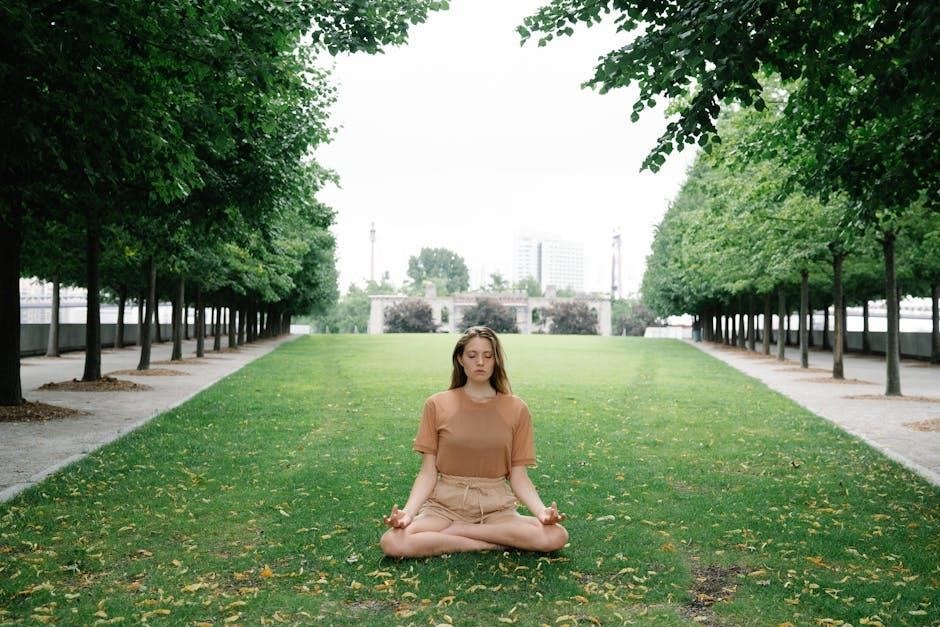
Mindfulness and Mental Wellbeing
Mindfulness powerfully enhances both mental and physical health, offering tools to reduce stress, improve focus, and skillfully manage challenging emotions with greater ease․
Reducing Stress and Anxiety
Mindfulness provides a potent antidote to the pervasive pressures of modern life, offering a scientifically-backed method for diminishing stress and alleviating anxiety․ By intentionally focusing on the present moment – observing thoughts and sensations without judgment – we disrupt the cycle of worry and rumination that fuels these conditions․
The practice encourages a shift from reactive patterns to a more responsive state, allowing us to create space between ourselves and stressors․ This isn’t about eliminating challenges, but changing our relationship to them․ Through consistent practice, mindfulness cultivates a sense of calm and resilience, enabling us to navigate difficult experiences with greater equanimity and reducing the physiological symptoms associated with stress and anxiety․
Improving Focus and Concentration
Mindfulness acts as a powerful training ground for the mind, significantly enhancing focus and concentration in a world riddled with distractions․ Regularly practicing present moment awareness strengthens our ability to direct and sustain attention, resisting the pull of wandering thoughts and external stimuli․
This mental discipline isn’t simply about suppressing distractions, but rather about gently acknowledging them without getting carried away․ By repeatedly returning our attention to a chosen anchor – like the breath – we build the neural pathways necessary for sustained focus․ The result is improved cognitive performance, increased productivity, and a greater capacity for deep work, allowing us to engage more fully with tasks at hand․
Managing Difficult Emotions
Mindfulness provides a transformative approach to navigating challenging emotions, shifting from reactive patterns to a space of observation and acceptance․ Instead of being overwhelmed by feelings like anxiety or frustration, mindfulness encourages us to witness them as temporary mental events․
This doesn’t mean suppressing or ignoring emotions, but rather creating distance from them, recognizing they are not defining truths․ Through mindful awareness, we learn to acknowledge the physical sensations and thoughts associated with difficult emotions without judgment, allowing them to arise and pass without escalating into overwhelming experiences․ This cultivates emotional resilience and a greater sense of inner peace․

Advanced Mindfulness Practices
Deepening your practice involves exploring loving-kindness meditation, mindful communication, and potentially, structured programs like Mindfulness-Based Stress Reduction (MBSR)․
Loving-Kindness Meditation
Loving-kindness meditation, or Metta, extends mindfulness beyond self to encompass others․ This practice cultivates feelings of warmth, compassion, and unconditional positive regard, initially directed towards oneself, then gradually expanding to include loved ones, neutral individuals, difficult people, and ultimately, all beings․
Begin by silently repeating phrases such as “May I be happy, May I be healthy, May I be safe, May I be at ease․” Visualize yourself bathed in loving energy․ Then, extend these wishes to others, visualizing their faces and sincerely offering them the same blessings․
Regular practice can soften self-criticism, increase empathy, and foster a sense of interconnectedness, profoundly impacting relationships and overall wellbeing․ It’s a powerful antidote to negativity and a cornerstone of advanced mindfulness․
Mindfulness in Communication
Mindful communication transforms interactions by bringing full presence and awareness to the exchange․ It involves actively listening – truly hearing the other person without interrupting or formulating a response – and speaking with intention, choosing words carefully and avoiding reactivity․
Before responding, pause and notice your own thoughts and emotions․ Are you reacting from a place of judgment or defensiveness? Cultivate curiosity and empathy, seeking to understand the other person’s perspective․
This practice fosters deeper connection, reduces misunderstandings, and promotes compassionate dialogue․ It’s about shifting from ‘telling your story’ to genuinely hearing another’s, creating space for authentic understanding and resolution․
Mindfulness-Based Stress Reduction (MBSR)
Mindfulness-Based Stress Reduction (MBSR), developed by Jon Kabat-Zinn, is an eight-week program designed to cultivate mindfulness as a means of coping with stress, pain, and illness․ It combines meditation, body awareness, yoga, and exploration of patterns of thinking, feeling, and acting․
Participants learn various techniques, including mindful breathing, body scan meditation, and gentle yoga, to develop present moment awareness; MBSR isn’t about eliminating stress, but rather changing your relationship to it․
Through consistent practice, individuals gain tools to respond to challenges with greater equanimity and resilience, fostering a sense of calm amidst life’s inevitable difficulties; It’s a scientifically-backed approach to wellbeing․

Overcoming Challenges in Mindfulness
Mindfulness practice often encounters a wandering mind; consistency is key, and finding a personalized approach—like journaling or gardening—can help sustain the benefits․
Dealing with a Wandering Mind
A common hurdle in mindfulness is a restless mind, constantly drifting into thoughts about the past or anxieties about the future․ It’s crucial to remember that mind-wandering isn’t failure; it’s a natural function of the brain; Instead of judgment, gently acknowledge the thought without getting carried away․
Imagine your thoughts as clouds passing by – observe them, but don’t chase after them․ Softly redirect your attention back to your chosen focus, whether it’s your breath, a body sensation, or the present moment experience․
This redirection is the practice, strengthening your ability to stay grounded․ Be patient with yourself; it takes time and consistent effort to cultivate this skill․
Maintaining Consistency
Consistency is key to reaping the benefits of mindfulness, yet life often throws curveballs, disrupting even the best intentions․ Start small – even five minutes a day is more valuable than sporadic longer sessions․ Integrate mindfulness into existing routines, like mindful breathing during your commute or a body scan before bed․
Treat your mindfulness practice as a non-negotiable appointment with yourself․ Find an accountability partner or join a mindfulness group for support․
Don’t be discouraged by missed days; simply return to the practice with kindness and self-compassion․ Remember, it’s progress, not perfection, that matters․
Finding the Right Approach
Mindfulness isn’t one-size-fits-all; exploring different techniques is crucial to discover what resonates with you․ Experiment with mindful breathing, body scan meditations, or guided practices․ Consider incorporating mindfulness into daily activities like eating, walking, or even gardening – focusing on the present moment during these tasks․
Some may prefer structured meditation sessions, while others thrive with informal practices woven into their day․
Don’t hesitate to try different apps, books, or retreats to broaden your understanding and find a style that suits your personality and lifestyle․
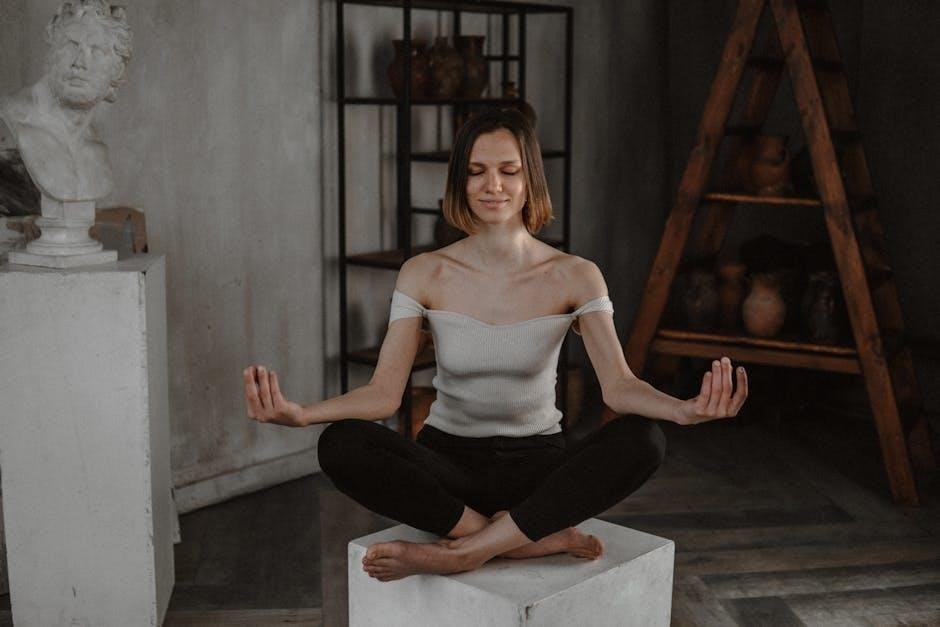
Resources for Further Exploration
Dive deeper with mindfulness apps, insightful books, and immersive retreats to expand your practice and cultivate lasting peace and well-being․

Mindfulness Apps
Numerous mindfulness applications are readily available to support your journey towards inner peace, offering guided meditations, breathing exercises, and sleep stories․ These digital tools provide accessible and convenient ways to integrate mindfulness into your daily routine, regardless of your experience level․ Popular options include Calm, Headspace, and Insight Timer, each presenting a unique approach to mindful practice․
Many apps offer personalized programs tailored to specific needs, such as stress reduction, anxiety management, or improved sleep․ Features like progress tracking and reminders can help maintain consistency, while diverse content libraries cater to varying preferences․ Exploring different apps allows you to discover the platform that best resonates with your individual style and supports your ongoing mindfulness exploration․
Books on Mindfulness
Delving into literature on mindfulness provides a deeper understanding of its principles and practical applications for cultivating inner peace․ Several acclaimed books offer comprehensive guidance, ranging from introductory texts to advanced explorations of mindful living․ Jon Kabat-Zinn’s “Wherever You Go, There You Are” is a foundational work, introducing the core concepts of mindfulness and its benefits․
Other valuable resources include Sharon Salzberg’s “Lovingkindness: The Revolutionary Art of Happiness,” which explores the practice of loving-kindness meditation, and Mark Williams and Danny Penman’s “Mindful Way Through Depression,” offering a mindfulness-based approach to managing depressive thoughts․ These books provide insightful perspectives and practical exercises to deepen your mindfulness practice and foster lasting well-being․
Mindfulness Retreats
Immersive mindfulness retreats offer a dedicated space and time to deepen your practice away from the distractions of daily life․ These retreats, often held in serene natural settings, provide structured guidance through meditation sessions, mindful movement practices, and group discussions․ They are designed to cultivate present moment awareness and foster a sense of inner peace․
Various organizations offer retreats catering to different levels of experience, from beginner-friendly introductions to advanced intensive programs․ Opportunities range from weekend getaways to extended residential experiences․ Retreats can be transformative, providing tools and insights to integrate mindfulness more fully into your everyday routine and enhance overall well-being․