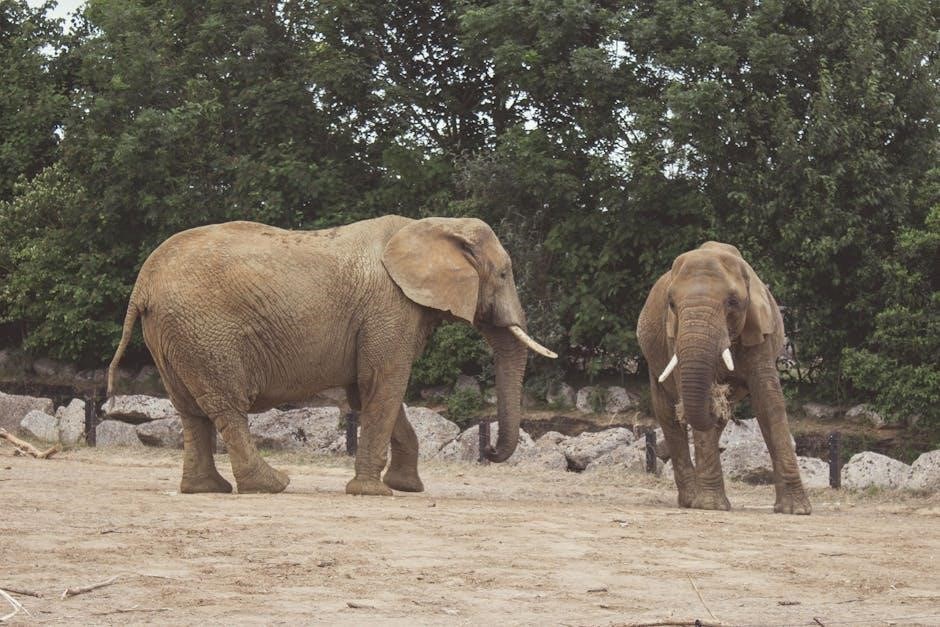
George Orwell’s essay profoundly explores the psychological toll of imperialism, revealing the complex burdens placed upon those enforcing colonial rule and its inherent contradictions.
A. Contextualizing Orwell’s Burma
Orwell’s experience in Burma, then a province of British India, was formative. He served with the Indian Imperial Police from 1922 to 1927, a period deeply influencing his political and literary views. This wasn’t a posting he sought; it was a pragmatic choice, offering a modest income for a struggling writer.
However, the reality of colonial service clashed sharply with his socialist ideals. Burma was a land of stark contrasts – breathtaking beauty alongside brutal oppression. The simmering resentment of the Burmese people towards British rule was palpable, creating a tense and morally ambiguous environment for a young, conscientious officer like Orwell. Understanding this context is crucial to interpreting the events detailed in “Shooting an Elephant” and the internal conflict it portrays.
B. The Core Dilemma: Individual vs. Authority
“Shooting an Elephant” fundamentally grapples with the tension between individual conscience and the demands of authority. Orwell, as a police officer, represents the arm of the Empire, yet he privately despises the system he upholds. He’s caught in a bind: his personal morality clashes with the expectations placed upon him by his position and the observing crowd.
The essay isn’t simply about killing an elephant; it’s about the pressure to conform, the loss of autonomy, and the corrosive effect of power. Orwell feels compelled to act, not because it’s right, but because he fears appearing foolish or weak in the eyes of the Burmese populace. This internal struggle highlights the dehumanizing impact of imperialism on both the colonized and the colonizer.

II. Setting the Stage: Colonial Burma
Early 20th-century Burma existed under British control, a landscape of political unrest and simmering resentment towards imperial rule and its pervasive influence.
A. The Political Landscape of 1920s Burma
Burma in the 1920s was a nation grappling with the complexities of British colonial administration. While officially a province of India until 1937, Burma possessed a distinct identity and growing nationalist sentiment. The period witnessed increasing calls for self-governance, fueled by a burgeoning educated elite and widespread discontent among the rural population.
Economic policies favored British interests, often exploiting Burmese resources and labor, leading to resentment. Traditional social structures were challenged by the imposition of Western legal and administrative systems.
Furthermore, various ethnic groups within Burma experienced differing levels of marginalization and resistance, adding layers of complexity to the political climate. This volatile environment formed the backdrop against which Orwell’s experience unfolded, a landscape ripe with tension and the potential for conflict.
B. The Role of the British Imperial Police
The British Imperial Police in Burma served as the primary instrument for maintaining order and enforcing colonial authority. Often comprised of European officers and locally recruited constables, the force operated within a system designed to project power and suppress dissent. Their duties extended beyond traditional law enforcement, encompassing political surveillance and the upholding of British economic interests.
Police officers were frequently viewed with suspicion and hostility by the Burmese population, embodying the oppressive nature of colonial rule.
The force’s effectiveness relied heavily on maintaining a perception of unwavering control, even when faced with challenging circumstances. Orwell’s position within this force placed him directly at the nexus of this power dynamic, forcing him to confront the moral ambiguities inherent in his role.
III. The Incident: A Detailed Account
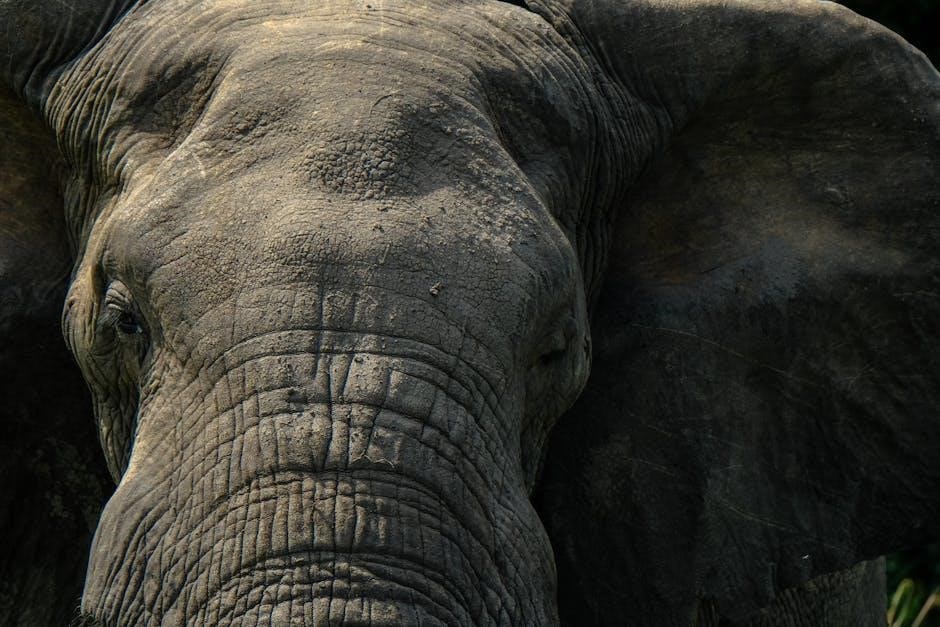
A frantic summons disrupts Orwell’s morning, reporting a rogue elephant causing destruction in the bazaar; this event sets in motion a tragic and unavoidable sequence.
A. The Call to Action: The Elephant’s Rampage
The initial report arrives with a sense of urgency – a massive elephant, having broken loose from its tether, is wreaking havoc in the bazaar. It’s not merely mischief; the animal is systematically destroying property, overturning stalls laden with goods, and causing widespread panic amongst the local population. Orwell, as a sub-divisional police officer, is immediately summoned to the scene, expected to bring the situation under control.
The elephant’s rampage isn’t portrayed as malicious, but rather as a display of immense, undirected power. It’s described as moving with a ponderous, almost indifferent gait, crushing everything in its path. The sheer scale of the destruction is emphasized, painting a vivid picture of chaos and fear. This initial chaos establishes the immediate pressure on Orwell to act decisively, regardless of his personal feelings.
B. Orwell’s Initial Hesitation and Internal Conflict
Upon arriving at the scene, Orwell doesn’t immediately resolve to shoot the elephant. He’s deeply conflicted, recognizing the animal as a magnificent creature, far more valuable alive than dead. He questions the necessity of killing it, acknowledging the elephant’s relatively harmless state at that moment – it’s merely standing and eating.
This hesitation stems from a moral aversion to taking life, coupled with a growing disillusionment with his role as an instrument of imperial power. He feels a profound disconnect between the expected action – a swift, decisive killing – and his own conscience. Orwell’s internal debate highlights the ethical complexities of colonialism and the psychological burden it places on those involved, even those with seemingly straightforward duties.

IV. The Pressure to Act: Public Expectation
A growing Burmese crowd anticipates Orwell’s action, their silent judgment and expectation becoming immense pressure, forcing a decision against his better reasoning.
A. The Gathering Crowd and Their Demands
As news of the elephant’s rampage spread, a substantial crowd of Burmese people quickly assembled, drawn by a mixture of curiosity and anticipation. They weren’t vocal in their demands, yet their presence was a palpable force, a silent expectation hanging heavy in the air. Orwell keenly felt their gaze, understanding they desired – perhaps even needed – to witness the authority figure, the representative of British power, take decisive action.
Their faces, though largely impassive, conveyed a subtle, underlying hostility towards the colonial regime. Orwell recognized this wasn’t necessarily directed at him personally, but at the system he embodied. The crowd’s very existence served as a constant reminder of his position, and the power dynamics at play; He understood that inaction would be interpreted not as compassion, but as weakness – a loss of face for the Empire, and a potential invitation for further defiance.
B. The “Great Beast” as a Symbol of Colonial Power
The elephant itself transcends being merely an animal; it functions as a potent symbol of British imperial power in Burma. Its immense size and strength mirror the perceived invincibility of the Empire, while its destructive capacity reflects the disruptive impact of colonial rule on Burmese society and traditions. The elephant’s rampage isn’t simply a case of animal behavior, but a disruption of the established order, a challenge to control.
Orwell intuitively grasps this symbolic weight. He recognizes that shooting the elephant isn’t about resolving a practical problem, but about reaffirming colonial authority. The act of domination over the “great beast” is a performance, intended to demonstrate the Empire’s unwavering control and suppress any potential unrest amongst the Burmese population. The elephant’s fate becomes inextricably linked to the fate of the Empire itself.
V. The Act of Shooting: A Reluctant Execution
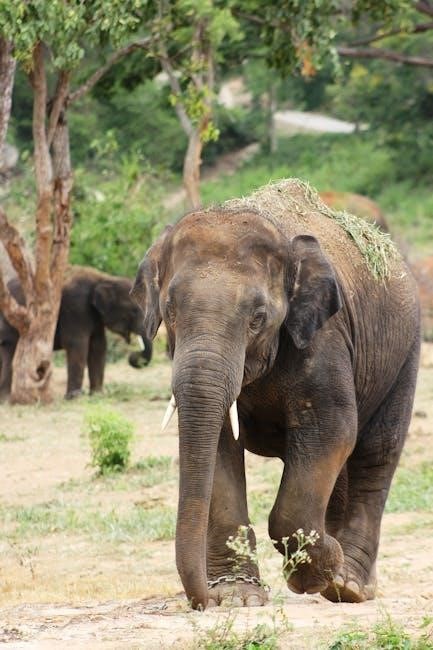
Orwell’s methodical, yet agonizing, act of firing upon the elephant highlights the grim reality of imperial duty and its dehumanizing consequences for all involved.
A. The Practical Difficulties of the Shooting
The sheer physicality of bringing down such a massive creature presented Orwell with immediate, daunting challenges. His rifle, though adequate for smaller game, felt woefully insufficient against the elephant’s immense bulk. He describes the initial shots as having little effect, merely infuriating the animal further, prolonging its suffering and his own agonizing predicament.
The distance was considerable, demanding precise aim, complicated by the uneven terrain and the elephant’s restless movements. He fired repeatedly, each shot seemingly absorbed by the thick hide, with minimal visible impact. The logistical nightmare of reloading, maintaining composure under pressure, and assessing the effectiveness of each shot added layers of difficulty to an already horrific situation.
Orwell faced a brutal, mechanical struggle against a living being, a stark contrast to any idealized notions of authority or control.
B. Orwell’s Disgust and Self-Loathing
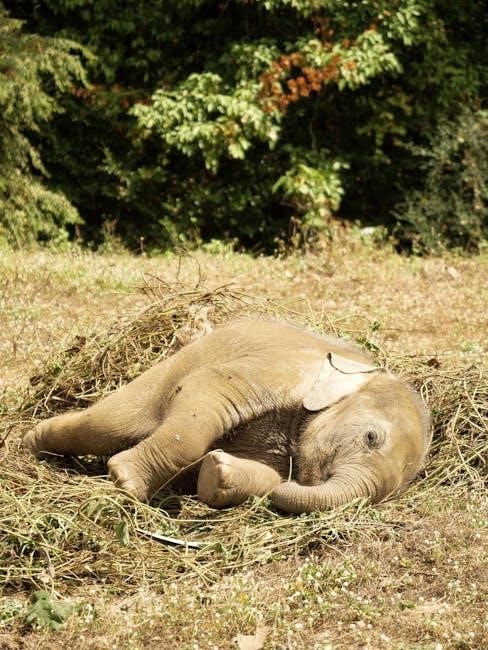
Following the elephant’s agonizingly slow death, Orwell is consumed not by triumph, but by a profound and visceral disgust. He details the gruesome spectacle with unflinching honesty, emphasizing the sheer wastefulness and brutality of the act. This isn’t a feeling of professional accomplishment, but a deep revulsion at his own participation in the senseless destruction of a magnificent creature.
He experiences intense self-loathing, recognizing that he acted not out of necessity or conviction, but to preserve his own image and avoid the ridicule of the Burmese crowd. The realization that he was a puppet of circumstance, driven by vanity rather than morality, leaves him deeply ashamed.
Orwell’s internal turmoil reveals the corrosive effect of imperialism on the individual conscience.
VI. Symbolism and Interpretation
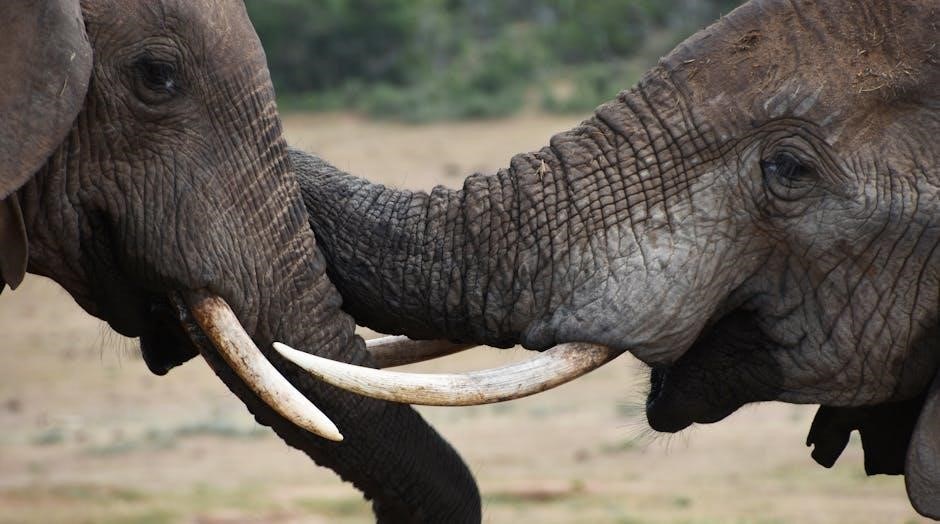
The elephant embodies the immovability and perceived invincibility of the British Empire, while the shooting signifies the destructive consequences of colonial domination.
A. The Elephant as a Representation of the British Empire
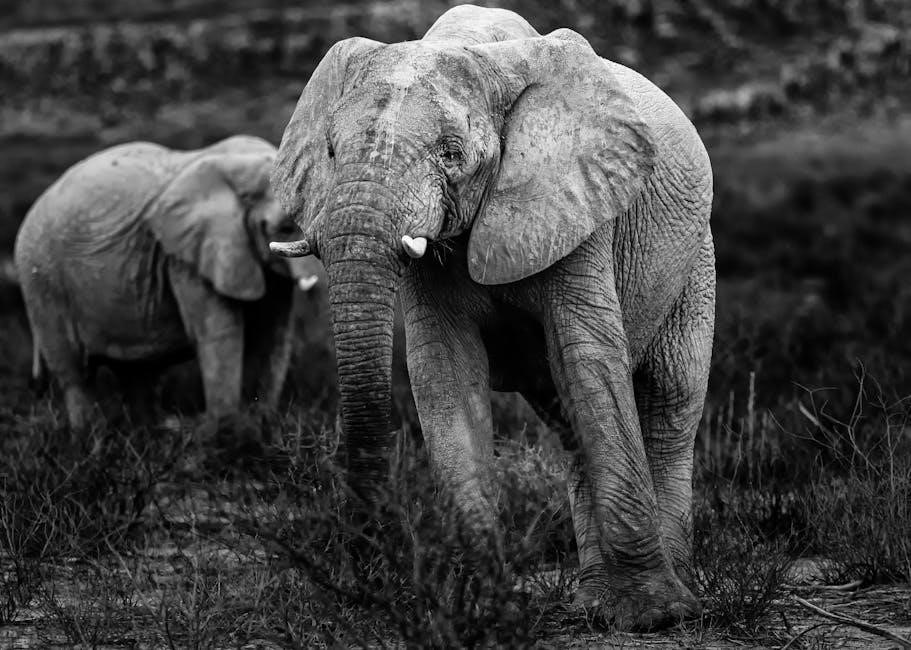
The majestic elephant, a creature of immense size and strength, functions as a potent symbol of the British Empire itself within Orwell’s narrative. Its sheer physical presence mirrors the Empire’s overwhelming power and dominion over Burma. The elephant’s age and established position within the community parallel the long-standing, seemingly immutable nature of British rule.
Furthermore, the elephant’s value is primarily utilitarian – it’s valuable for its labor, not for its inherent worth. This reflects the Empire’s exploitation of Burma’s resources and people for economic gain. The animal’s eventual demise, though seemingly caused by a single bullet, represents the beginning of the unraveling of colonial authority, a slow but inevitable decline of imperial power. Its fall is not glorious, but messy and ignominious, foreshadowing the eventual end of empire.
B. The Shooting as a Metaphor for Imperial Control
Orwell’s act of shooting the elephant transcends a simple incident; it becomes a powerful metaphor for the nature of imperial control. He doesn’t shoot the elephant out of necessity or justice, but to maintain the facade of authority and appease the expectations of the Burmese crowd. This highlights how imperial power relies heavily on perception and the performance of dominance.
The prolonged, agonizing death of the elephant mirrors the slow, destructive process of colonialism itself. Orwell’s reluctance and ultimate compliance demonstrate the internal conflict experienced by those complicit in oppressive systems. The shooting isn’t a display of strength, but a desperate attempt to uphold a crumbling power structure, revealing its inherent fragility and moral bankruptcy.
VII. Orwell’s Internal Struggle: Guilt and Shame
Following the shooting, Orwell is consumed by profound guilt and shame, recognizing the senselessness of the act and his own complicity in its brutality.
A. The Psychological Impact of the Event
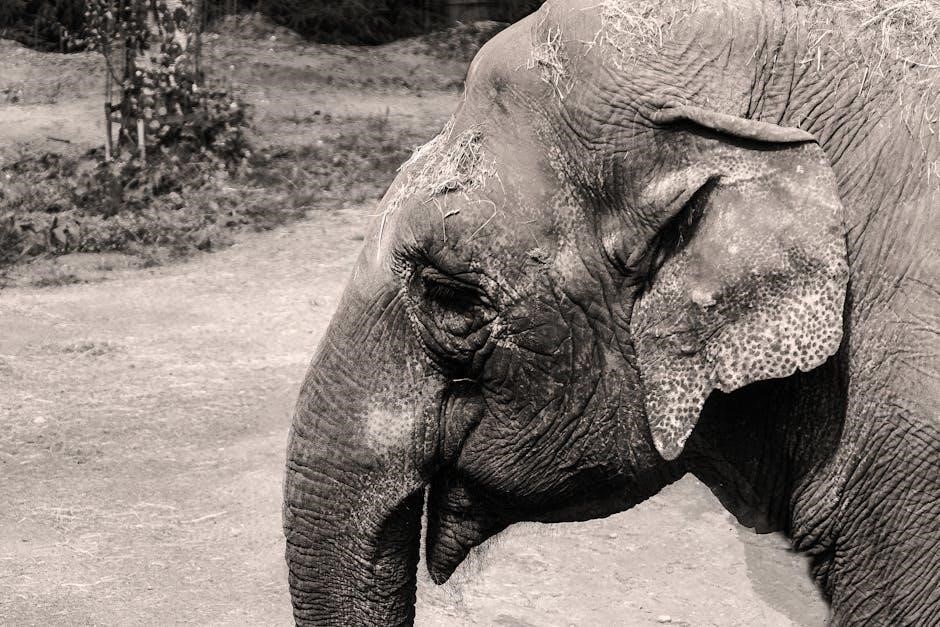
The act of shooting the elephant leaves an indelible mark on Orwell’s psyche. He doesn’t describe a sense of triumph or justice, but rather a deep and lingering revulsion. The event forces him to confront the uncomfortable truth about his role within the imperial system and the moral compromises it demands.
Orwell experiences a profound sense of self-loathing, recognizing that he acted not out of conviction, but out of fear of appearing foolish in front of the Burmese crowd. This realization is deeply unsettling, stripping him of any sense of moral authority. The weight of the act, coupled with the understanding of its futility – the elephant was valuable, and its death served no practical purpose – contributes to a lasting psychological burden. He is haunted by the image of the dying elephant and the knowledge of his own participation in its suffering.
B. The Loss of Innocence and Moral Compromise
Before the incident, Orwell likely held a somewhat detached, intellectual opposition to imperialism. The shooting shatters this distance, forcing him into direct participation in the oppressive system he critiques. He’s compelled to act against his own better judgment, sacrificing his personal integrity to maintain the facade of authority.
This experience represents a loss of innocence, a realization that upholding the empire necessitates abandoning one’s moral principles. Orwell’s initial hesitation and ultimate decision to shoot demonstrate a painful compromise. He understands the act is wrong, yet feels compelled to perform it to avoid losing face and maintain control. The event signifies a descent into the moral ambiguity inherent in colonial power, leaving him disillusioned and deeply troubled by the implications of his actions.
VIII. The Power Dynamics at Play
The narrative starkly illustrates the imbalance of power between the colonizers and the colonized, revealing how systemic oppression shapes individual actions and perceptions.
A. The Subjugation of the Burmese People
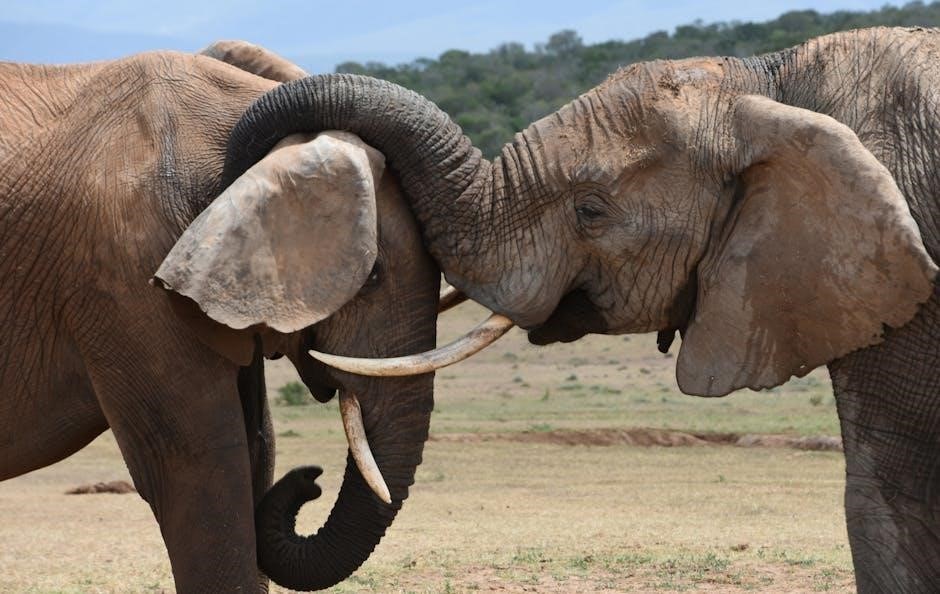
Orwell’s depiction subtly reveals the pervasive subjugation experienced by the Burmese population under British rule. This wasn’t merely political control, but a deeply ingrained system affecting every facet of life – culturally, economically, and socially. The Burmese people are shown as largely powerless observers, their agency diminished by the omnipresent authority of the Empire.
Their resentment simmers beneath the surface, manifesting as a quiet, mocking gaze directed at Orwell, a symbol of the oppressive force. This passive resistance highlights the psychological impact of colonialism, where dignity is eroded and self-worth undermined. The crowd’s expectation that Orwell will act isn’t a request for justice, but a demonstration of their understanding of the power dynamic; they know he must act to maintain the illusion of control.
B. Orwell’s Position as an Agent of Oppression
Despite his personal distaste for imperialism, Orwell functions as a direct agent of oppression within the colonial system. As a police officer, he embodies the authority of the British Empire, regardless of his internal conflicts. He isn’t presented as a villain, but as a man trapped within a role that necessitates the subjugation of others.
This creates a profound moral dilemma, as he actively participates in maintaining a system he intellectually opposes. His uniform and position demand a performance of dominance, forcing him to act in ways that contradict his own values. The essay powerfully illustrates how even well-intentioned individuals can become complicit in injustice through their participation in oppressive structures.
IX. Themes of Imperialism and Power
The narrative dissects imperialism’s corrosive effects, highlighting how power distorts morality and imposes a heavy psychological burden on both the colonizer and colonized.
A. The Corrupting Influence of Power
Orwell masterfully demonstrates how absolute power, even when wielded by individuals with initial good intentions, inevitably leads to moral compromise and a distortion of judgment. The pressure to maintain control and uphold the facade of imperial authority forces Orwell into a position where he acts against his own conscience.
He isn’t driven by malice, but by the fear of appearing weak or losing face in front of the Burmese crowd. This illustrates how the system itself corrupts, prioritizing appearances and control over genuine ethical considerations. The act of shooting the elephant isn’t a demonstration of strength, but a surrender to the demands of a power structure that prioritizes dominance over compassion or reason.
The story reveals that power isn’t simply about giving orders; it’s about internalizing a worldview that justifies oppression and dehumanization.
B. The Burden of Responsibility in a Colonial Context
The essay highlights the immense and often unbearable weight of responsibility placed upon colonial administrators, even those who privately despise the system they serve. Orwell isn’t simply a policeman; he’s a representative of an empire, and every action he takes carries the weight of that representation.
He feels compelled to act, not because of any genuine threat posed by the elephant, but because he believes it’s his duty to maintain order and uphold British authority. This sense of duty, however, is deeply problematic, as it forces him to participate in a system built on exploitation and oppression.
Orwell’s internal struggle demonstrates the moral complexities of colonialism, where individuals are trapped between their personal values and the demands of an unjust system, bearing a heavy, unwanted responsibility.
X. Literary Techniques and Style
Orwell’s masterful prose employs vivid imagery and a detached tone, enhancing the essay’s impact and revealing the psychological nuances of his experience.
A. Orwell’s Use of First-Person Narration
The deliberate choice of first-person narration is central to the essay’s power. By presenting the events through his own eyes – using “I” throughout – Orwell immediately establishes a personal connection with the reader, drawing us into his internal conflict. This isn’t a detached, objective report; it’s a confession, a wrestling with moral implications.
We experience the situation as Orwell experiences it, feeling his hesitation, his disgust, and ultimately, his shame. This subjective perspective allows Orwell to explore the psychological impact of imperialism on the individual, making the story far more compelling than a third-person account could be. The “I” becomes a vehicle for examining universal themes of power, guilt, and the loss of innocence.
B. The Impact of Descriptive Language and Imagery
Orwell’s masterful use of descriptive language and vivid imagery profoundly shapes the reader’s understanding of the event and its symbolic weight. He doesn’t simply tell us about the elephant; he shows us its immense size, its decaying state, and the unsettling details of its death. The descriptions aren’t merely visual; they engage multiple senses, creating a visceral experience.
Phrases like “great grey beast” and detailed accounts of the shooting emphasize the brutality and the agonizingly slow demise. This deliberate focus on the physical reality of the act amplifies Orwell’s own revulsion and underscores the senselessness of the killing, transforming a simple incident into a powerful indictment of imperial power and its consequences.